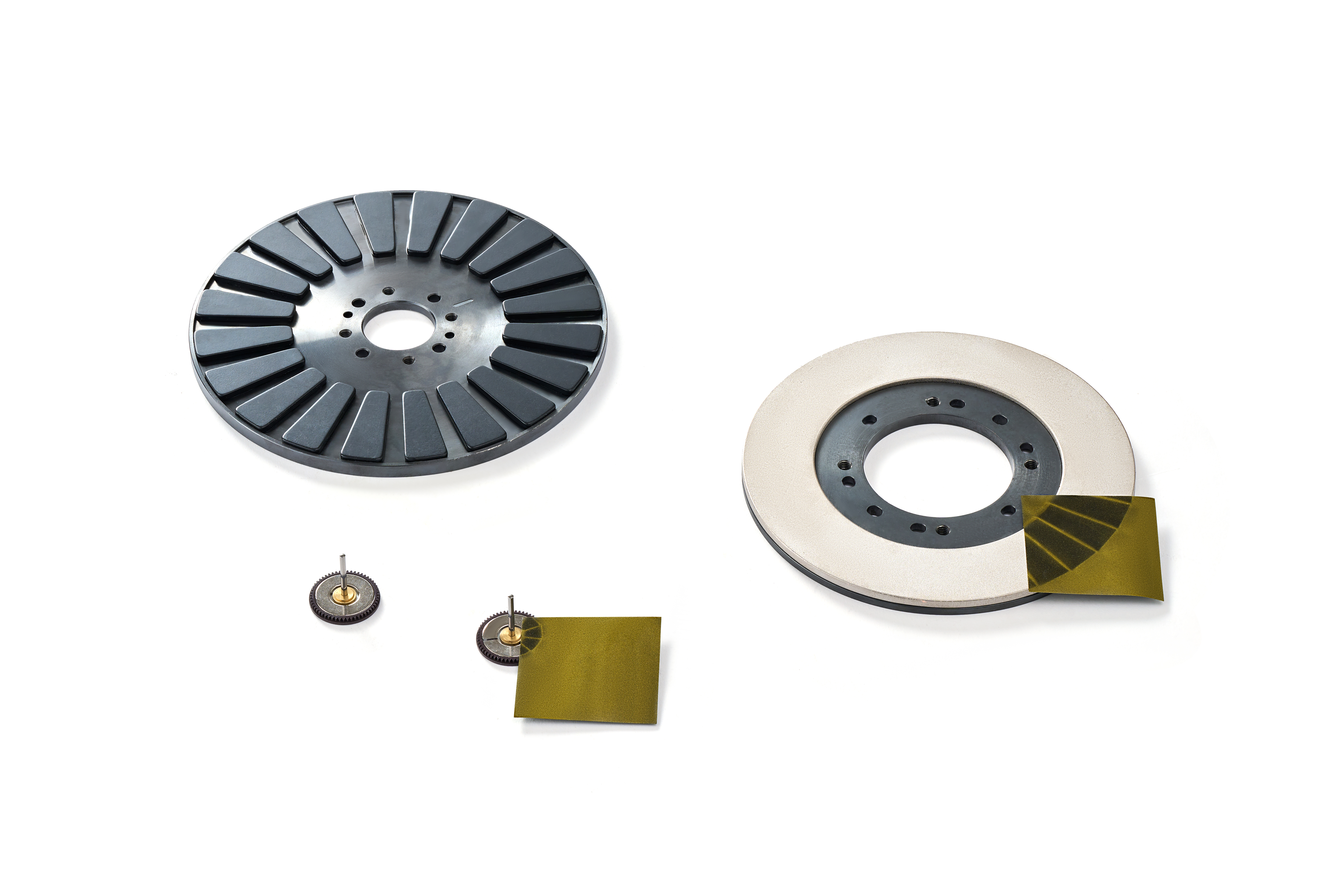
PCB motor rotor assemblies are commonly used in motor designs where compact size, low weight, and stable magnetic interaction are important. Compared with conventional rotor structures, they are more often associated with ultra-thin axial flux motors that need to work closely with PCB stators.
-
Thin axial profile: PCB motor rotor assemblies are often used in designs where a low overall height is required. This makes them well suited to ultra-thin applications with limited installation space.
-
Lightweight rotating structure: In compact systems, reducing rotating mass can be beneficial. This helps support responsive motion and efficient operation in small motor designs.
-
Close coordination with PCB stators: Unlike conventional rotor assemblies used with laminated stators, these assemblies work with PCB-based stators. This requires a more compact and closely matched magnetic layout between the rotor and stator.
-
Suitable for compact and precision-focused systems: They are often considered for applications where space is limited and stable magnetic performance is important, especially in compact electronic and precision motion systems.
The performance of PCB motor rotor assemblies depends not only on the motor design itself, but also on the selection and matching of magnets and structural materials. In most cases, Neodymium magnets are the primary magnetic material used in these assemblies because they provide strong magnetic output in a compact size.
The rotor plate or supporting structure is typically selected according to the motor design, assembly method, and mechanical requirements. Depending on the project, this may involve materials that help support the magnets, maintain structural stability, or contribute to the overall magnetic circuit. Surface coating, bonding method, and dimensional consistency may also need to be considered, especially in compact rotor designs where assembly accuracy is important.
For custom projects, the choice of magnets and related materials is usually determined by the required performance targets, available space, and assembly conditions. This is why material selection in PCB motor rotor assemblies is often closely tied to both magnetic performance and manufacturing feasibility.
n most PCB motor projects, the overall rotor structure is usually defined by the motor designer. However, when the design moves into prototyping or production, PCB motor rotor assemblies still involve a number of practical considerations related to magnets, materials, and assembly execution.
- Magnet dimensional consistency: Because these assemblies are often used in compact motor designs, consistency in magnet dimensions can affect both assembly quality and overall rotor performance.
- Magnet placement accuracy: The position of each magnet on the rotor plate needs to be controlled carefully. In thin axial flux motor designs, even small deviations may influence magnetic interaction with the PCB stator.
- Bonding reliability: Adhesive selection and bonding stability are important in rotor assemblies, especially when the assembly will operate under rotational force, vibration, or changing temperatures.
- Rotor flatness and concentricity: For compact and precision-focused motor designs, the flatness of the rotor plate and the concentricity of the assembly may also need attention during manufacturing and assembly.
- Prototype-to-production consistency: In custom projects, it is often important to keep the assembly approach, material selection, and key dimensions consistent from sample evaluation to volume production.
For this reason, the successful execution of PCB motor rotor assemblies is not only related to the design itself, but also to how well the magnets, materials, and assembly process are coordinated in practice.
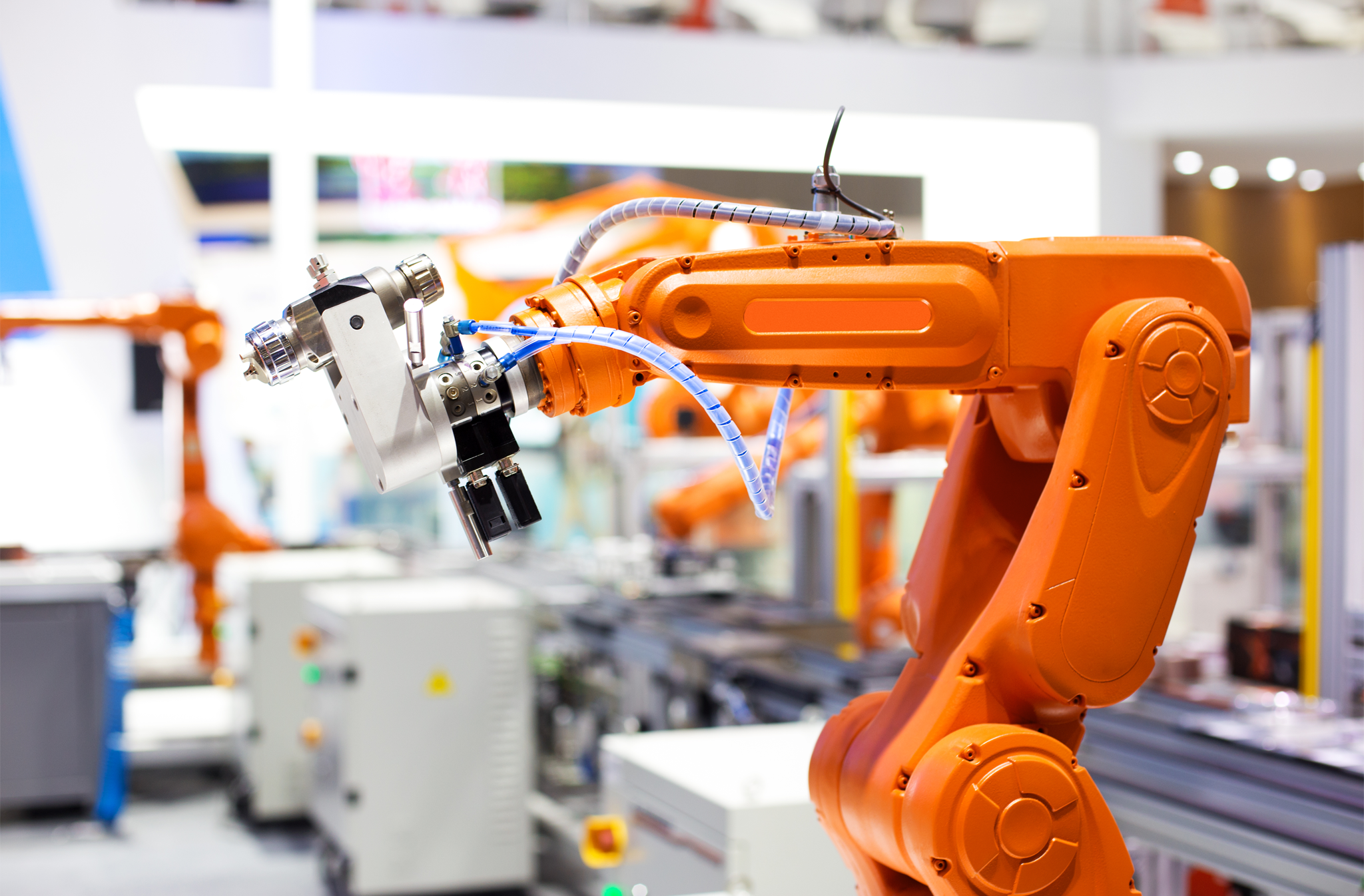
PCB motor rotor assemblies are commonly used in compact motor projects where low profile, light weight, and precise magnetic interaction are required. They are often considered for applications such as robotics, medical devices, consumer electronics, and other space-constrained systems where PCB stator motors offer structural advantages.
SDM supports custom PCB motor rotor assemblies based on customer drawings, design targets, and application requirements. In most cases, the overall motor structure is defined by the customer or motor design team, while our role is to support the execution of the rotor assembly from the perspective of magnets, materials, and manufacturing feasibility.
Our support may include magnet selection, prototype supply, dimensional matching, and assembly coordination according to the specific needs of the project. For compact motor designs, attention may also be given to factors such as magnet consistency, bonding method, and assembly accuracy to help support stable rotor performance.
Whether the project is at the sample stage or moving toward volume production, we work with customers to support practical and manufacturable PCB motor rotor assembly solutions based on the provided design information. If you are developing a custom PCB motor project, feel free to contact us with your drawings or requirements for further discussion.