Ι What Are Medical Magnets?
Permanent magnets and magnetic assemblies play an integral role in many types of medical devices. However, medical magnets do not include the permanent magnets used in advanced diagnostics like magnetic resonance imaging (MRI), those found in laboratory applications such as biomagnetic separators, cell separation, and resuspension mixing, or those used in magnetic therapy devices. Notably, several magnetic products are marketed with claims of reducing pain, but there is limited research supporting the effectiveness of magnets in pain relief. Instead, medical magnets refer to permanent magnets used in a variety of application-specific medical devices, including implantable devices, drug delivery systems, surgical instruments, and other essential medical tools. A large proportion of medical magnets are micro magnets with specialized coatings such as Titanium Nitride (TiN), Parylene, gold, and rhodium.
Alternatively, biocompatibility can also be achieved by fixing components together and enclosing them behind metal walls or sealing them with implant-grade plastic or silicone. These approaches help minimize the release of harmful substances into the body, thereby reducing the risk of adverse reactions or tissue damage. As a result, medical magnets are sometimes referred to as biocompatible magnets.
Medical magnets are used in applications such as pacemakers, artificial hearts, blood pumps, cochlear implants, dental implants, implantable drug pumps, insulin pumps, endoscopy, GERD devices, glaucoma valves, hearing implants, and catheter guidance systems, employing various magnetic technologies like magnetic steering, magnetic catheters, magnetic torque limiters, magnetic grippers, magnetic sensing, magnetic couplings, retrieval mechanisms, and hermetic sealing. When selecting a suitable magnet solution for a medical device, it is equally crucial to consider FDA requirements to ensure compliance throughout the design process.
In addition to mainstream uses, some micro magnets also act as magnetic implants, which are implanted under the skin in a controversial body modification practice, often in the fingertips, to provide a sense of magnetism. These implants allow individuals to detect magnetic fields, offering unique sensory feedback. While not a mainstream medical application, we are aware of ongoing discussions about their potential use in healthcare, such as monitoring specific conditions. Despite the controversy, ensuring biocompatibility is crucial to minimize the risk of adverse effects.
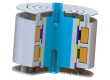
Statement: The feature image of this post is sourced from Dexter Magnetic Technologies.